Business Name: FootPrints Home Care
Address: 4811 Hardware Dr NE d1, Albuquerque, NM 87109
Phone: (505) 828-3918
FootPrints Home Care
FootPrints Home Care offers in-home senior care including assistance with activities of daily living, meal preparation and light housekeeping, companion care and more. We offer a no-charge in-home assessment to design care for the client to age in place. FootPrints offers senior home care in the greater Albuquerque region as well as the Santa Fe/Los Alamos area.
4811 Hardware Dr NE d1, Albuquerque, NM 87109
Business Hours
Monday thru Sunday: 24 Hours
Facebook: https://www.facebook.com/FootPrintsHomeCare/
Instagram: https://www.instagram.com/footprintshomecare/
LinkedIn: https://www.linkedin.com/company/footprints-home-care
Families seldom call my workplace since whatever is going efficiently. They call after a fall at 2 a.m., a neighbor's concerned text about Dad roaming outside, or a peaceful realization that Mom has actually been consuming crackers and peanut butter for supper all week since the range feels "too complicated."
Senior home care is often framed as "extra assistance" with bathing or light housekeeping. That is the surface area layer. Below, excellent in-home care functions as a safety net: continuous tracking, steady support, and early intervention that captures small problems before they become hospitalizations or long-term placement.
Understanding how that safeguard really works can assist you plan better home care for parents, and can spare both you and your loved one a great deal of crisis decision making.
Why senior home care has actually ended up being a vital safety net
Most older adults prefer to age in place. They want their own bed, their own regimen, their own front door. At the very same time, the dangers in your home increase with age: medications multiply, stabilize changes, vision decreases, and chronic conditions flare without much warning.
Hospitals and centers are developed for snapshots. A physician sees your mother for 15 minutes a few times a year. A home care aide may see her for three hours, three times a week. Over a month, that is more than a full workweek of observation, in the setting where problems really reveal up.
That is where senior home care ends up being more than a set of jobs. It ends up being an early warning system. When succeeded, elder care in the home can:
- Notice changes that household or doctors can not see in occasional visits. Provide prompt support so small decreases do not waterfall into emergencies.
Families typically underestimate how quick a "borderline" situation can tip. I have viewed a proud retired teacher go from "only a few pointers" to a hospitalization for dehydration within 10 days after a winter flu, merely due to the fact that nobody realized she had stopped drinking enough. A weekly at home senior care visit would likely have actually caught the modification in her consumption and habits by the second day.
What "monitoring" really appears like in a personal home
Monitoring is a word that can sound cold or intrusive. In great senior home care, it looks more like consistent, mindful presence.
Caregivers are not there with a clipboard checking off boxes. They exist to assist your father with breakfast, notice how he is moving that early morning, and see whether the tablet organizer has actually been opened.

Over the years, I have trained caregivers to watch six quiet signs nearly every visit, even if the care plan concentrates on jobs like bathing and transport. They suit regular conversation and observation, and they often offer us the earliest hints of trouble.
First, movement and gait. A caretaker watches how easily your mother stands, turns, and strolls from the reclining chair to the bathroom. A brand-new shuffle, a hand grabbing furniture that utilized to be strolled past quickly, or a hesitation before stairs inform us more than any questionnaire.
Second, psychological sharpness and state of mind. Is your parent following conversation about familiar topics, repeating the very same question, or seeming "off" compared to last week? Subtle confusion in the evening can be an early indication of infection, medication side effects, or intensifying dementia.
Third, appetite and fluid intake. Plates that return half full, a fridge full of ended food, or a coffee cup that never ever appears to empty are red flags. In the house, nobody is logging consumption like a health center does, so caretakers become the ones who quietly notice these trends.
Fourth, medication routines. Senior home care can not change nursing oversight, however a qualified assistant can observe whether pills are being taken as scheduled, if there are extra tablets on the floor, or if your parent appears amazed to see a medication you know has actually been recommended for years.
Fifth, personal hygiene and home environment. A sudden drop in grooming, laundry accumulating, or a normally neat person enduring more clutter may show anxiety, pain, or cognitive decline. It can likewise indicate jobs are physically harder than they admit.
Sixth, social engagement and sleep patterns. Is the tv on all the time, or is your father still calling friends and engaging with pastimes? Caretakers quickly pick up when days begin to blur together, when the line between daytime napping and nighttime sleep has eroded.
This type of tracking does not feel scientific to the customer. It feels like being known. But on the expert side, each of those observations helps us choose whether to call a child, flag something for the nurse, or recommend a physician visit.
The distinction between task-based care and protective care
Not all home care is developed equivalent. Some agencies focus directly on a list of tasks: give a bath, sweep the kitchen area, supply companionship. That has worth, but it leaves much of the safety net unused.
Protective care uses those exact same tasks as a framework for consistent risk assessment. When a caregiver helps with a shower, she is likewise seeing whether your mother can step over the tub edge, whether she grabs the grab bar, and whether she loses balance when closing her eyes to rinse shampoo. Those small details shape future fall prevention.
In practical terms, that implies your care strategy should not read like a hotel housekeeping list. It must connect day-to-day support to clear risk-reduction objectives, for example:
- Maintain safe movement and prevent falls. Protect medication adherence. Support nutrition and hydration. Reduce isolation and screen mood.
In my experience, families who ask companies straight about threat management and early intervention get far better results than those who just ask about per hour rates and availability.
How assistance avoids small problems from ending up being crises
Monitoring is only one side of a safeguard. The other side is active support that supports vulnerable areas of everyday life.
Consider falls. The majority of older adults who fall at home have actually had "near misses" for weeks or months: catching themselves on furniture, misjudging ranges, or tripping on mess. A caretaker who is routinely present can assist get rid of hazards, recommend or arrange grab bars, motivate usage of walkers properly, and reinforce safe habits every visit.
The very same uses to chronic health problem. A client with heart disease, for instance, may gradually get a couple of pounds of fluid before any serious shortness of breath. An in-home care employee can be taught to weigh the client at the exact same time every day, log the numbers, and report trends. Capturing a 3 to 5 pound gain early can indicate a fast call to the cardiologist instead of a stressed journey to the emergency situation department.
Support likewise completes the gaps that household caretakers often can not manage consistently. I routinely fulfill adult kids who live throughout town or in another state, extended in between work, their own kids, and delicate parents. They attempt to do "everything" on Saturdays and a few evenings. Inevitably something gives.
Reliable in-home senior care can bring the everyday regimens that keep a parent stable: basic, well balanced meals, medication triggers, assist with showers and dressing, rides to appointments, and structured social contact. When those supports are in place, your weekend visits can focus more on relationship and less on crisis management.
What early intervention actually looks like day to day
Early intervention sounds medical, but in home care it is typically quiet and practical. It is the caretaker who notifications that your dad, who as soon as enjoyed driving, appears distressed to get behind the wheel. Instead of disregarding it, she lets the care manager know, and the family begins a conversation about alternative transport before an accident occurs.
Early intervention is the aide who sees a new contusion on your mother's shin and asks how it happened, then discovers she tripped on the throw carpet near the bedroom. The rug vanishes that day, not after a hip fracture.
I have seen early action around:
- Urinary system infections, when "a little more confusion than usual" led to an exact same day center visit rather of a week of delirium. Depression after the death of a spouse, where a caregiver's observation of persistent withdrawal triggered counseling and a medication review, rather than letting the grief silently harden into isolation. Medication errors, discovered due to the fact that a caretaker noticed full tablet compartments that must have been empty, and a physician was able to streamline the regimen and involve a drug store in pre-packaged dosing.
Without someone regularly in the home, these changes show up late, when they are harder and more costly to deal with. Senior home care fills that space in between uncommon physician visits and the day-to-day reality of aging.
When is in-home care the ideal safeguard for your parents?
Families hardly ever agree instantly about when to bring in aid. One sibling sees an immediate requirement, another worries about "removing self-reliance," and a third lives far away and just hears fragments.
There is no best formula, but a couple of patterns appear consistently in my practice. If any of the following hold true, severe preparation for home take care of parents must begin now, not after the next emergency situation:
- One or both parents have had at least one fall, hospitalization, or emergency clinic visit in the last 6 to 12 months. Memory lapses or confusion are impacting finances, medications, or cooking. Family caretakers are regularly losing sleep, missing work, or arguing about how to keep their parents safe. A parent is socially isolated most days of the week, especially after giving up driving. Chronic health problems such as heart failure, COPD, or diabetes are unsteady, with regular "practically" health center visits.
Notice that none of these require overall dependence. In fact, the best time to introduce in-home care is often when a parent still does most things independently but is beginning to wobble in a few key locations. The earlier you develop a relationship with caretakers, the much easier it is to flex assistance up or down as needs change.
I often suggest starting small and framing help as useful support, not "care." 2 early morning visits each week to help with showers and breakfast, for example, or a few afternoons of companionship and transport. That provides both the elder and the household a chance to get utilized to somebody in the home, and it lets us observe patterns more clearly.
What families ought to search for in a safety focused home care agency
Not all firms lean into the safeguard role. When households ask me how to choose, I recommend listening less to shiny pamphlets and more to how they discuss threat and collaboration.
Here is an easy set of questions that typically separates task-only firms from true elder care partners:
- How do your caregivers keep track of modifications in a client's condition from day to day? When a caregiver is fretted about something, who do they report to, and how rapidly do you alert families? Do you have nurses or care managers associated with evaluations and ongoing oversight? How do you coordinate with a customer's physicians, therapists, or home health nurses? Can you share an example, with names removed, of how you assisted avoid a hospitalization?
The answers do not need to be best, however they ought to be specific. If an agency can not describe a clear process for interacting concerns, you are not likely to get proactive early intervention.
It is likewise worth asking how they train personnel on fall prevention, dementia care, and emergency action. Excellent agencies invest greatly in this, due to the fact that they know one well trained caretaker can avoid thousands of dollars in medical facility expenses and months of lost independence.
Coordinating home care with physicians, home health, and community resources
Senior home care is one piece of a wider safety internet. The greatest setups include active coordination with medical companies and local resources.
In many cases, a customer may have both non medical home care and intermittent home health services, such as visits from a nurse or physiotherapist after a hospitalization. The aide is often the one who sees whether the exercise plan is in fact being followed, or whether brand-new wounds, swelling, or shortness of breath appear between nursing visits.
When communication streams well, the home care company can:
- Share observation notes with approval, so physicians see reality data instead of occasional snapshots. Help customers follow through on medical guidelines, from examining high blood pressure to arranging labs. Connect households to meal programs, support groups, or respite care that lower concern on main caregivers.
In cities like Albuquerque, where numerous seniors live alone and public transportation is restricted, this coordination becomes a lot more important. I have seen regional in-home care companies partner with senior centers, transportation services, and faith communities to ensure nobody fails the fractures simply because they stopped driving.
If you are organizing Albuquerque home look after a parent, ask agencies what connections they already utilize. Ones that are plugged into the regional network can typically resolve issues with a couple of call that would take a household weeks to unwind on their own.
Special considerations in Albuquerque and similar communities
Every region has its peculiarities. In my deal with households in and around Albuquerque, a few themes duplicate that shape how senior home care functions as a safety net.
The first is environment. Hot, dry summertimes amplify dehydration danger, specifically for senior citizens who already have lessened thirst signals or take diuretics. Home care workers in this location need to pay close attention to fluid consumption, display for subtle signs of heat stress, and adjust routines to prevent midday outings when the sun is strongest.
The second is distance and transportation. Numerous adult kids live throughout town or in neighboring communities like Rio Rancho or Los Lunas, managing long commutes. Elders may reside in neighborhoods without simple access to bus paths. Here, in-home care that includes reputable transport for groceries, medical visits, and social activities frequently makes the difference in between safe independence and growing isolation.
The third is cultural and household structure. Albuquerque has rich Hispanic, Native, and multigenerational neighborhoods, each with strong customs around caring for seniors in your home. Families in some cases be reluctant to bring in "outsiders" due to the fact that it feels like failing in their duty. I have discovered it handy to frame in-home care as an extension of the family, particularly when caregivers share language or cultural background, rather than as a replacement.
Finally, weather condition events such as snow or monsoon rains can cut off seniors for a couple of days. A well prepared care strategy in this area consists of additional food, medications, and an interaction prepare for weather disruptions. Agencies that elder care albuquerque nm FootPrints Home Care know the local patterns can help households analyze these "what if" circumstances before they happen.
While these examples specify to Albuquerque home care, the wider lesson uses in other places: excellent senior home care is tailored to local realities, not just generic checklists.
Balancing safety and dignity
Families often ask me a version of the very same question: "How do we keep Mom safe without making her seem like a kid?"
The answer lies less in the tasks themselves and more in how they are offered. Senior home care, when approached attentively, can improve dignity rather than wear down it.
A few practical concepts direct our work:
Respect existing routines. If your father has started his mornings with coffee and the newspaper at the exact same table for forty years, develop care around that ritual. Have the caretaker bring the paper in, prepare the coffee ideal, and sit for a few minutes of news chat while observing mobility and state of mind. You get keeping an eye on and companionship without interfering with identity.
Offer options within support. Rather of "Time for your pills," a caregiver might say, "Would you like to take your night medication before or after we enjoy the next show?" The medications still get taken, however your parent retains a sense of control.
Protect privacy purposely. Bathing, toileting, and dressing are vulnerable jobs. Competent caregivers move gradually, discuss each step, and utilize towels or bathrobes to cover as much as possible. Households that press elders rapidly into full help in some cases neglect just how much can still be done safely with assistance and adaptive equipment.
Align language with values. Lots of proud elders resist "care" but accept "assist around your home" or "a motorist" or "a housekeeper who likewise assists me with a few things." From a professional viewpoint, the services may equal. From the customer's viewpoint, the framing matters enormously.
When precaution are rooted in respect and collaboration, senior citizens are most likely to accept home care, stay engaged, and interact when something feels incorrect. That makes the safety net stronger.
Planning ahead rather of waiting on the next crisis
I have actually lost count of the number of households have told me, being in a hospital space, "We understood something like this might occur, but we did not wish to press." Frequently, the parent has actually been struggling silently for months. The very first home care discussion happens while everybody is exhausted and scared.
There is a better way.
If your gut is informing you that your parent is starting to require more assistance, treat that as significant data. Set up a calm, calm visit. Ask about their goals for the next five years. Listen to what they fear most losing. Then share your own concerns, gently and specifically, connected to things you have actually seen.

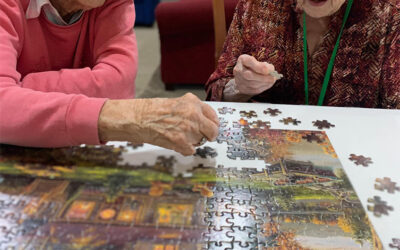
From there, talk about small, concrete ways in-home senior care might make life easier, not simply more secure. Perhaps it is someone to deal with heavy laundry, prepare a number of real meals, or provide a ride to the hairdresser and the senior center. As soon as the relationship is there, the tracking, assistance, and early intervention occurred silently in the background.
Senior home care, at its finest, wraps competent observation and practical aid around the life your parent still wants to live. It does not eliminate every danger. Aging constantly includes trade offs. However it gives you something valuable: time to observe modifications, room to respond thoughtfully, and a cushion in between regular decline and full blown emergency.
That is what a safety net appear like when it is woven into the daily information of home.
FootPrints Home Care is a Home Care Agency
FootPrints Home Care provides In-Home Care Services
FootPrints Home Care serves Seniors and Adults Requiring Assistance
FootPrints Home Care offers Companionship Care
FootPrints Home Care offers Personal Care Support
FootPrints Home Care provides In-Home Alzheimer’s and Dementia Care
FootPrints Home Care focuses on Maintaining Client Independence at Home
FootPrints Home Care employs Professional Caregivers
FootPrints Home Care operates in Albuquerque, NM
FootPrints Home Care prioritizes Customized Care Plans for Each Client
FootPrints Home Care provides 24-Hour In-Home Support
FootPrints Home Care assists with Activities of Daily Living (ADLs)
FootPrints Home Care supports Medication Reminders and Monitoring
FootPrints Home Care delivers Respite Care for Family Caregivers
FootPrints Home Care ensures Safety and Comfort Within the Home
FootPrints Home Care coordinates with Family Members and Healthcare Providers
FootPrints Home Care offers Housekeeping and Homemaker Services
FootPrints Home Care specializes in Non-Medical Care for Aging Adults
FootPrints Home Care maintains Flexible Scheduling and Care Plan Options
FootPrints Home Care is guided by Faith-Based Principles of Compassion and Service
FootPrints Home Care has a phone number of (505) 828-3918
FootPrints Home Care has an address of 4811 Hardware Dr NE d1, Albuquerque, NM 87109
FootPrints Home Care has a website https://footprintshomecare.com/
FootPrints Home Care has Google Maps listing https://maps.app.goo.gl/QobiEduAt9WFiA4e6
FootPrints Home Care has Facebook page https://www.facebook.com/FootPrintsHomeCare/
FootPrints Home Care has Instagram https://www.instagram.com/footprintshomecare/
FootPrints Home Care has LinkedIn https://www.linkedin.com/company/footprints-home-care
FootPrints Home Care won Top Work Places 2023-2024
FootPrints Home Care earned Best of Home Care 2025
FootPrints Home Care won Best Places to Work 2019
People Also Ask about FootPrints Home Care
What services does FootPrints Home Care provide?
FootPrints Home Care offers non-medical, in-home support for seniors and adults who wish to remain independent at home. Services include companionship, personal care, mobility assistance, housekeeping, meal preparation, respite care, dementia care, and help with activities of daily living (ADLs). Care plans are personalized to match each client’s needs, preferences, and daily routines.
How does FootPrints Home Care create personalized care plans?
Each care plan begins with a free in-home assessment, where FootPrints Home Care evaluates the client’s physical needs, home environment, routines, and family goals. From there, a customized plan is created covering daily tasks, safety considerations, caregiver scheduling, and long-term wellness needs. Plans are reviewed regularly and adjusted as care needs change.
Are your caregivers trained and background-checked?
Yes. All FootPrints Home Care caregivers undergo extensive background checks, reference verification, and professional screening before being hired. Caregivers are trained in senior support, dementia care techniques, communication, safety practices, and hands-on care. Ongoing training ensures that clients receive safe, compassionate, and professional support.
Can FootPrints Home Care provide care for clients with Alzheimer’s or dementia?
Absolutely. FootPrints Home Care offers specialized Alzheimer’s and dementia care designed to support cognitive changes, reduce anxiety, maintain routines, and create a safe home environment. Caregivers are trained in memory-care best practices, redirection techniques, communication strategies, and behavior support.
What areas does FootPrints Home Care serve?
FootPrints Home Care proudly serves Albuquerque New Mexico and surrounding communities, offering dependable, local in-home care to seniors and adults in need of extra daily support. If you’re unsure whether your home is within the service area, FootPrints Home Care can confirm coverage and help arrange the right care solution.
Where is FootPrints Home Care located?
FootPrints Home Care is conveniently located at 4811 Hardware Dr NE d1, Albuquerque, NM 87109. You can easily find directions on Google Maps or call at (505) 828-3918 24-hoursa day, Monday through Sunday
How can I contact FootPrints Home Care?
You can contact FootPrints Home Care by phone at: (505) 828-3918, visit their website at https://footprintshomecare.com, or connect on social media via Facebook, Instagram & LinkedIn
A ride on the Sandia Peak Tramway or a scenic drive into the Sandia Mountains can be a refreshing, accessible outdoor adventure for seniors receiving care at home.